Key Takeaways
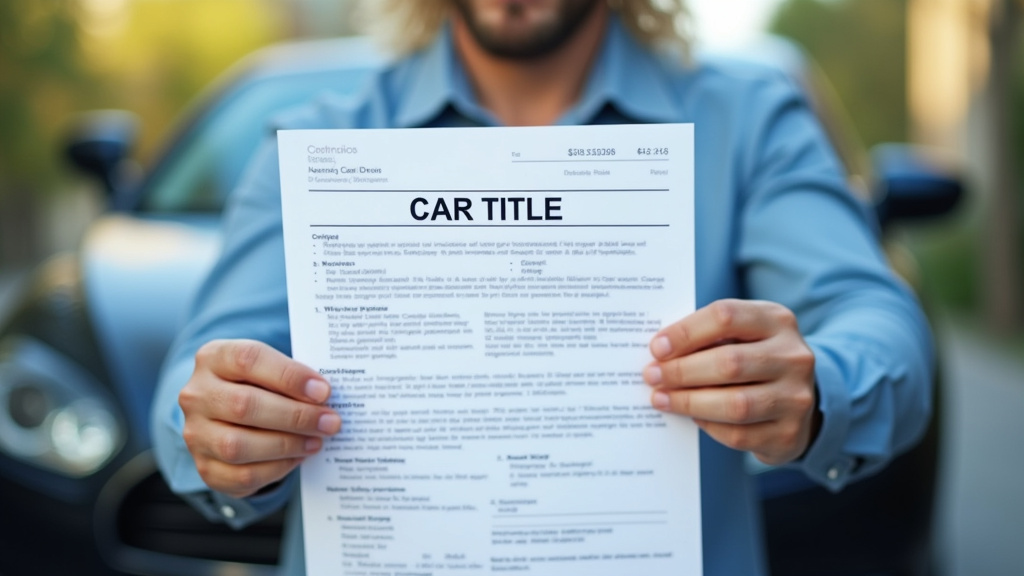
- Oklahoma title loans can provide quick access to cash for individuals with car titles.
- This type of loan is secured by the title of your vehicle, making it a collateralized loan option.
- Lenders evaluate the value of your vehicle to determine the loan amount available.
- Oklahoma law regulates title loans, ensuring certain protections for borrowers.
- It's crucial to understand the terms and conditions of the loan before signing the agreement.
- Repaying a title loan on time can help avoid repossession and maintain vehicle ownership.
- Exploring alternative financing options may be beneficial if title loans are not the best fit.
In the financial landscape of Oklahoma, access to quick capital is a crucial aspect of managing unexpected expenses. Among the various lending options available, Oklahoma title loans have emerged as a significant alternative for individuals seeking immediate financial relief. These loans, secured against vehicle titles, offer a unique opportunity for borrowers to gain approval with less stringent requirements compared to traditional loans. However, navigating this option responsibly is essential due to potential pitfalls associated with high-interest rates and the risk of default. This article delves into the intricacies of Oklahoma title loans, providing an in-depth guide to help residents make informed decisions while leveraging this financial tool effectively.
Understanding Oklahoma Title Loans: A Comprehensive Overview
Oklahoma title loans, also known as auto title loans, offer a unique financial solution for individuals in need of quick cash. This comprehensive overview aims to demystify the process, highlighting the rights and responsibilities of borrowers under Oklahoma title loan laws and borrower protections. Understanding these loans is crucial for making informed decisions, especially when facing financial emergencies.
For more on this, Loans Inc can help.
In Oklahoma, you can borrow against the equity of your vehicle, typically up to $5,500, depending on the vehicle's value. Lenders assess the vehicle's condition, age, and remaining loan balance to determine the maximum loan amount. Key factors to consider include interest rate limits (which cannot exceed 30% annually), repossession rules (lenders must provide 10-day written notice before repossessing the vehicle), and document requirements (valid government ID, vehicle registration, proof of insurance, and proof of income). Interestingly, even without a job, Oklahoma residents can still access title loans through alternative documentation, such as Social Security benefits or disability payments.
While Oklahoma title loans can be a lifeline in times of need, it's essential to proceed cautiously. Defaulting on these loans can lead to severe consequences, including repossession of the vehicle. Borrowing more than you can afford to repay quickly can trap individuals in a cycle of debt. Therefore, borrowers should carefully review the terms, fees, and potential costs, which can vary widely among lenders. Alternatively, exploring other options like short-term personal loans or seeking assistance from non-profit organizations could be more sustainable solutions.
Loans Inc, a trusted financial institution, provides a transparent and fair approach to Oklahoma title loans. They guide borrowers through the process, ensuring they understand the terms and conditions, and offering early repayment options to save on interest. By asking the right questions and understanding your rights, you can make the most of Oklahoma title loans when it aligns with your financial needs, or choose a different path if it better serves your long-term interests.
How Title Loans Work in Oklahoma: Step-by-Step Guide
In Oklahoma, title loans offer a unique financial solution for those needing quick access to cash secured by their vehicle's title. This step-by-step guide elucidates how these loans work, providing a comprehensive understanding of the process and protections in place for borrowers.
Step 1: Understanding Oklahoma Title Loan Laws and Protections
Before applying, borrowers should familiarize themselves with Oklahoma's regulations, which are designed to safeguard consumers. The state has specific rules regarding interest rates, loan terms, and repossession procedures. These laws ensure that lenders operate transparently and fairly. For instance, the maximum interest rate for a title loan in Oklahoma is typically capped at 30% annually, preventing excessive borrowing costs.
Step 2: Determining Loan Amount and Eligibility
Borrowers can expect to borrow a portion of their vehicle's value, usually up to 50-70%. The amount varies based on factors like the car's make, model, year, condition, and age. Lenders in Oklahoma will require a comprehensive vehicle inspection report to determine the car's current market value. This ensures that both parties have a clear understanding of the loan-to-value ratio.
Step 3: Documenting Requirements
Oklahoma title lenders require specific documents to process a loan application, including a valid driver's license or state ID, vehicle registration, proof of insurance, and the car's title. Additionally, lenders may ask for proof of income and employment verification. These documents ensure that both the borrower and their vehicle meet basic eligibility criteria.
Step 4: The Loan Process
Once all required documents are submitted, a lender will assess the application. If approved, they'll disburse the loan amount directly to the borrower. The title remains with the lender as collateral until the loan is repaid in full, including any associated fees and interest.
Step 5: Repayment, Prepayment, and Defaults
Title loans in Oklahoma typically come with flexible repayment plans, allowing borrowers to choose terms that fit their budget. Repaying early may incur savings on interest charges. However, if a borrower defaults on payments, the lender has the right to repossess the vehicle after a grace period, as outlined in the loan agreement.
Step 6: Alternatives and Refinancing
For those considering title loans, it's wise to explore alternatives like personal loans, credit cards, or borrowing from friends/family. Refinancing an existing title loan can also reduce interest rates if market conditions have improved since the initial loan. Loansinc.com offers a range of financial services, providing borrowers with options tailored to their unique situations.
| Factor | What to know |
|---|---|
| Max loan amount | Up to $5,500 depending on vehicle value |
| Interest rate cap | Cannot exceed 30% annually |
| Loan-to-value ratio | Usually 50-70% of vehicle's value |
| Repossession notice | 10-day written notice required before repossession |
| Required documents | ID, vehicle registration, proof of insurance and income |
| Alternatives to consider | Personal loans, credit cards, or borrowing from family |
Exploring Alternatives: Oklahoma Title Loans vs. Other Lending Options
In the competitive landscape of short-term lending, Oklahoma title loans stand out, but they are not always the best option. Before diving into this specific type of loan, it's crucial to explore alternatives and understand the full spectrum of lending opportunities available in Oklahoma. This comprehensive analysis delves into Oklahoma title loan laws and borrower protections, interest rate limits, repossession rules, and the documentation required, providing insights that empower informed decisions.
Oklahoma title loans can offer quick access to cash, typically allowing borrowers to borrow a significant portion of their vehicle's value. According to recent data, Oklahoma title loan limits range from $300 to $10,000, with interest rates varying between 300% and 600% APR. However, these high-interest rates and the potential for repossession should not be taken lightly. In Oklahoma, repossession rules mandate that lenders provide borrowers with written notice and a reasonable period to cure defaults, offering some protections for borrowers. Still, understanding the costs and potential consequences is essential.
Among the alternatives to Oklahoma title loans, personal loans from banks or credit unions often present a more favorable option, offering lower interest rates and flexible repayment terms. For those with good credit, unsecured loans or credit card cash advances might be suitable, though they typically have higher interest rates than secured loans. Refinancing an existing debt or exploring community-based financial aid programs can also provide viable paths to immediate financial relief without the risks associated with Oklahoma title loans. Furthermore, loansinc.com stands as a trusted resource, offering personalized guidance and access to a network of lenders who cater to diverse financial needs.
Before choosing Oklahoma title loans, borrowers should thoroughly evaluate their financial situation and explore these alternatives. Ensuring you understand the full implications of each option is vital. By considering the costs, potential outcomes, and available alternatives, you can make a more informed decision, choosing the path that best aligns with your financial health and long-term goals.
Frequently Asked Questions About Oklahoma Title Loans
What is a title loan? A title loan is a type of secured loan where an individual uses their vehicle's title as collateral. This allows lenders to offer higher loan amounts compared to traditional personal loans. In Oklahoma, this process involves creating a legal agreement between the borrower and lender, where the vehicle's title is temporarily transferred until the loan is repaid.
Who can apply for an Oklahoma title loan? Oklahoma title loan services are available to eligible individuals aged 18 or older who hold a valid driver's license and own a vehicle with a clear title. Lenders will assess factors like income, employment status, and vehicle condition to determine approval amounts.
How much can I borrow through a title loan in Oklahoma? Loan amounts vary based on the value of your vehicle and your ability to repay. In Oklahoma, lenders typically offer loans ranging from $100 to $15,000. The maximum amount depends on local regulations and the specific lender's policies.
What is the process for obtaining an Oklahoma title loan? The process involves providing identification, proof of vehicle ownership (title), verifying income, and agreeing to the loan terms. Once approved, you'll receive your funds, and the lender will retain the physical title until the loan is paid in full. After repayment, the title is returned to the borrower.
Are there any restrictions or penalties for prepaying an Oklahoma title loan? Many lenders in Oklahoma do not charge early repayment fees, allowing borrowers to pay off their loans ahead of schedule without penalty. Prepayment may save on interest costs. However, it's essential to review your loan agreement for any specific terms regarding early repayment.
Can I keep my vehicle while having an Oklahoma title loan? Absolutely! One of the primary benefits of a title loan is that borrowers retain possession of their vehicle during the loan period. As long as you meet the repayment obligations, the lender has no right to repossess your vehicle for regular use.
Oklahoma title loans, a unique and often considered non-traditional lending option, have gained prominence in the state. By understanding how these loans work—involving the use of a vehicle's title as collateral for a short-term, high-interest loan—residents can make informed decisions in times of financial need. This article has provided a comprehensive overview, guiding readers through the process, from loan eligibility to repayment.
Key takeaways include the benefits of quick access to funds, the potential for higher borrowing amounts compared to other options, and the risks associated with the high-interest rates and potential for cyclical debt. Exploring alternatives, such as personal loans or credit cards, can offer more favorable terms, especially for those with better credit scores.
Moving forward, Oklahomans considering Oklahoma title loans should weigh the advantages and drawbacks, assess their financial health, and explore other available options. This article equips readers with the knowledge to navigate this lending landscape, ensuring they make responsible financial choices.
Oklahoma title loans offer a financial solution secured by a vehicle's title, with specific laws protecting borrowers. The process involves assessing vehicle value, determining loan amounts, and providing required documents. Interest rates are capped, repossession rules are in place, and alternative lending options exist. borrowers should carefully consider high-interest rates and potential risks before opting for title loans, exploring alternatives like personal loans or credit card cash advances. Loansinc.com provides guidance and access to diverse lending options.